Linen Sheer Curtains vs Voile: Spend Your Budget Where It Shows
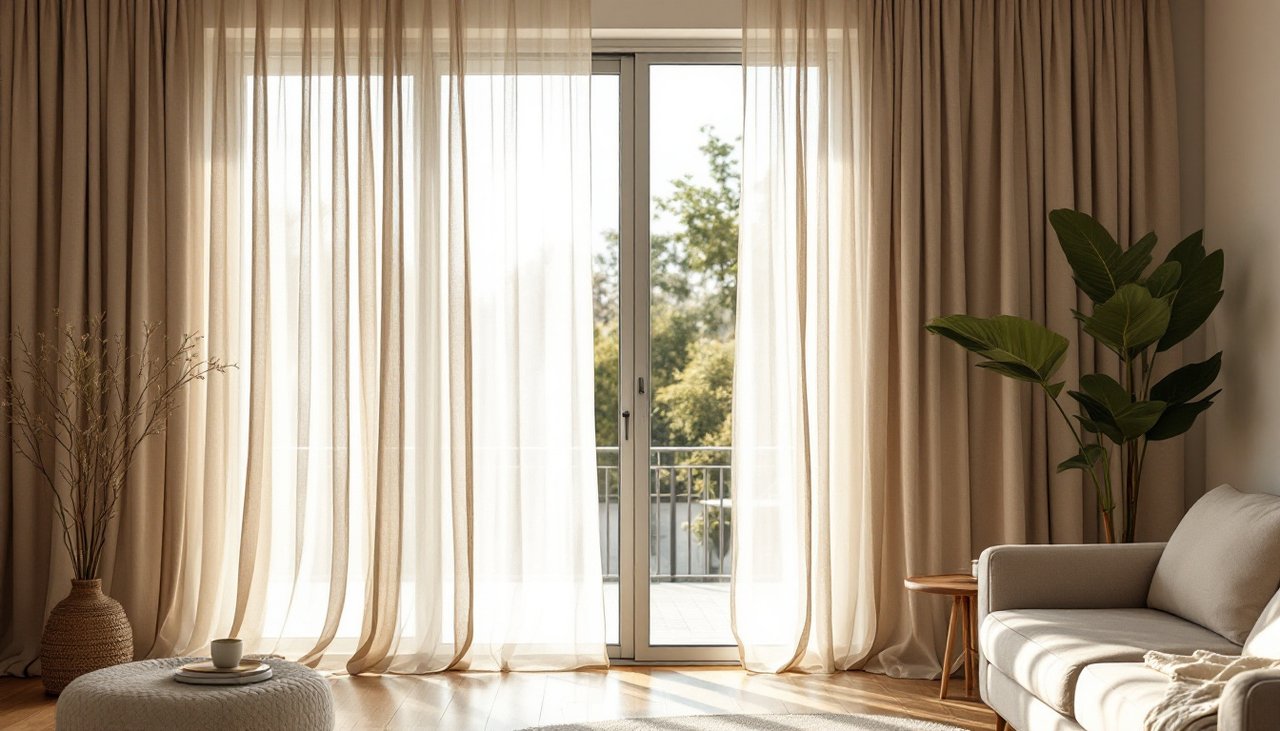
A 3 metre window dressed in sheers at 2.5 times fullness uses 8.25 metres of fabric along the track, before a single hem is sewn. Drop to 2 times fullness and you need 6.6 metres. That is a 25 percent swing in fabric from one number on your quote, and it applies whether you pick a smooth white voile or a textured linen sheer.
So when people compare linen sheer curtains vs voile, the fabric name is only half of the cost story. The other half is how much of it goes on the window.
Want real numbers for your own windows? A free in-home measure and quote gives you exact track lengths, and you can look through sheer samples before you decide.
What Drives the Cost of Sheer Curtains
The price of made to measure sheers comes from five things: window size, fabric, fullness, track type and installation. Here is the fabric math that sits under every quote. We add roughly 15 cm of track past each side of the window so the sheer can stack clear of the glass.
| Window width | Track length | Fabric at 2x fullness | Fabric at 2.5x fullness | Extra fabric at 2.5x |
|---|---|---|---|---|
| 1.8 m | 2.1 m | 4.2 m | 5.25 m | +1.05 m |
| 2.4 m | 2.7 m | 5.4 m | 6.75 m | +1.35 m |
| 3.0 m | 3.3 m | 6.6 m | 8.25 m | +1.65 m |
| 4.2 m | 4.5 m | 9.0 m | 11.25 m | +2.25 m |
Two things jump out. First, the extra fabric grows with the window, so fullness matters most on wide living room glass. Second, the 25 percent gap stays the same no matter which fabric you choose. A pricier fabric simply makes that gap more expensive.
Many sheer fabrics are woven on wide rolls of around 2.8 to 3 metres, which means most standard height windows can be made without vertical seams. Very tall windows, such as a raked ceiling or a double height void, may need a seam or a different fabric, and that can change the cost.
Fabric Cost Comparison: Linen Sheer vs Voile
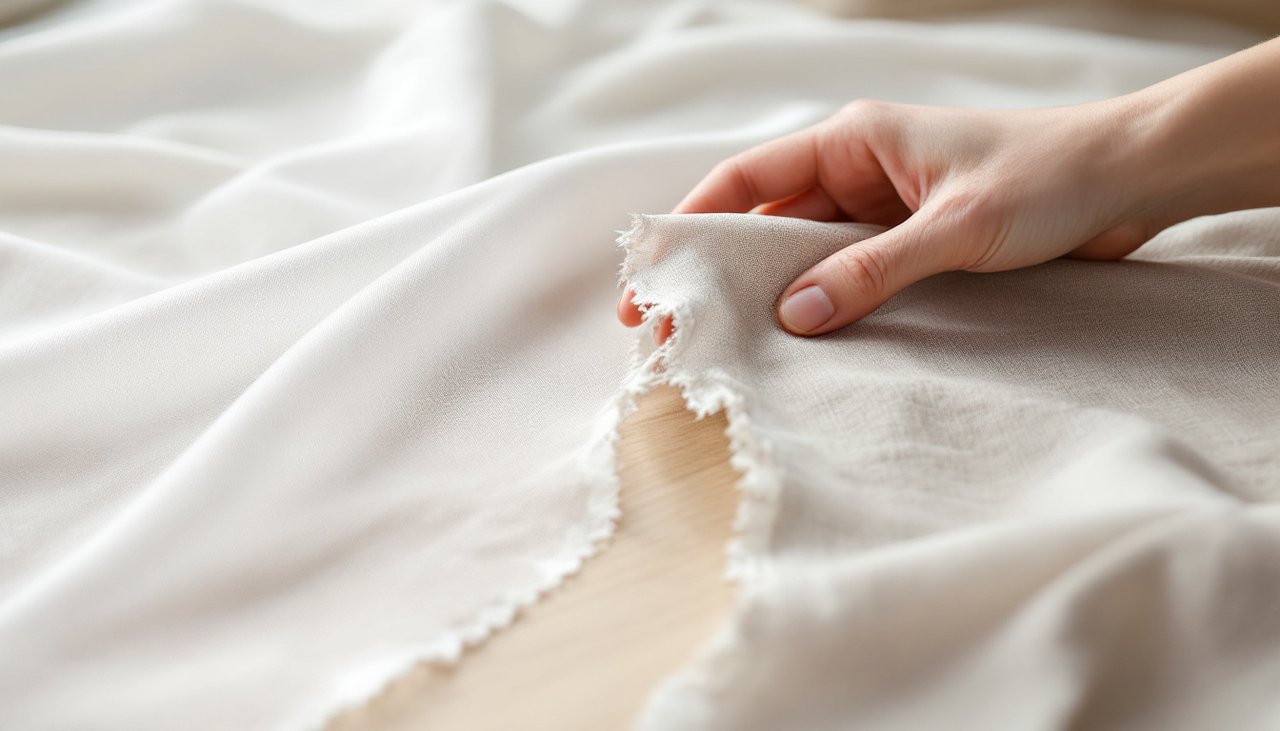
Here is where the two fabrics part ways. A white voile is a fine, smooth weave, usually polyester. A linen sheer has a slubby, textured weave, either a linen look polyester or a blend that includes real linen fibre. We do not quote dollar figures in a blog because every window is different, but the relative cost tier below matches what you will see on a quote.
| Factor | White voile | Linen look sheer (polyester) | Linen blend sheer (natural fibre) |
|---|---|---|---|
| Relative fabric cost | Lower | Mid | Higher |
| Texture | Smooth, fine, slightly glossy | Visible slub, matte | Irregular natural slub, matte |
| Daytime privacy | Lighter | Moderate | Moderate |
| Fullness that still looks full | 2.5x recommended | 2x to 2.5x | 2x to 2.5x |
| Creasing | Low | Low | Creases more easily |
| Length movement with humidity | Minimal | Minimal | Can relax or shrink slightly |
| Colour range | Bright whites, ivories | Whites, ivories, oatmeal, greys | Natural flax and soft neutrals |
The interesting row is fullness. A fine voile is so light that at 2x it can look a bit thin, so we usually recommend 2.5x to get those soft, deep folds. A textured linen sheer has more body, so it often looks generous at 2x. That means a linen sheer at 2x and a voile at 2.5x can end up closer on total cost than the fabric tier alone suggests.
Fullness Math: 2x vs 2.5x on Your Quote
Fullness is the ratio of flat fabric width to finished track length. At 2x, a 3 metre track carries 6 metres of fabric. At 2.5x it carries 7.5 metres. In our showrooms, this is the single biggest lever people do not realise they are pulling.
So where should the extra fabric go? Our rule of thumb is simple. Spend fullness on the windows you look at every day, like the living room or main bedroom, and on light fabrics that need it. On a textured linen sheer in a spare room or a hallway, 2x is often plenty.
The heading also plays a part. S fold sheers sit on a track with carriers spaced to create even waves, so the fullness is built into the track system rather than sewn into the heading. Pinch pleat sheers have the fullness stitched into each pleat. If you are weighing the two looks, our custom sheer curtains page shows both headings across linen and voile fabrics.
Track, Motor and Installation Costs
Fabric is the biggest line, but the hardware below it matters too. These are the cost drivers we talk through on every measure.
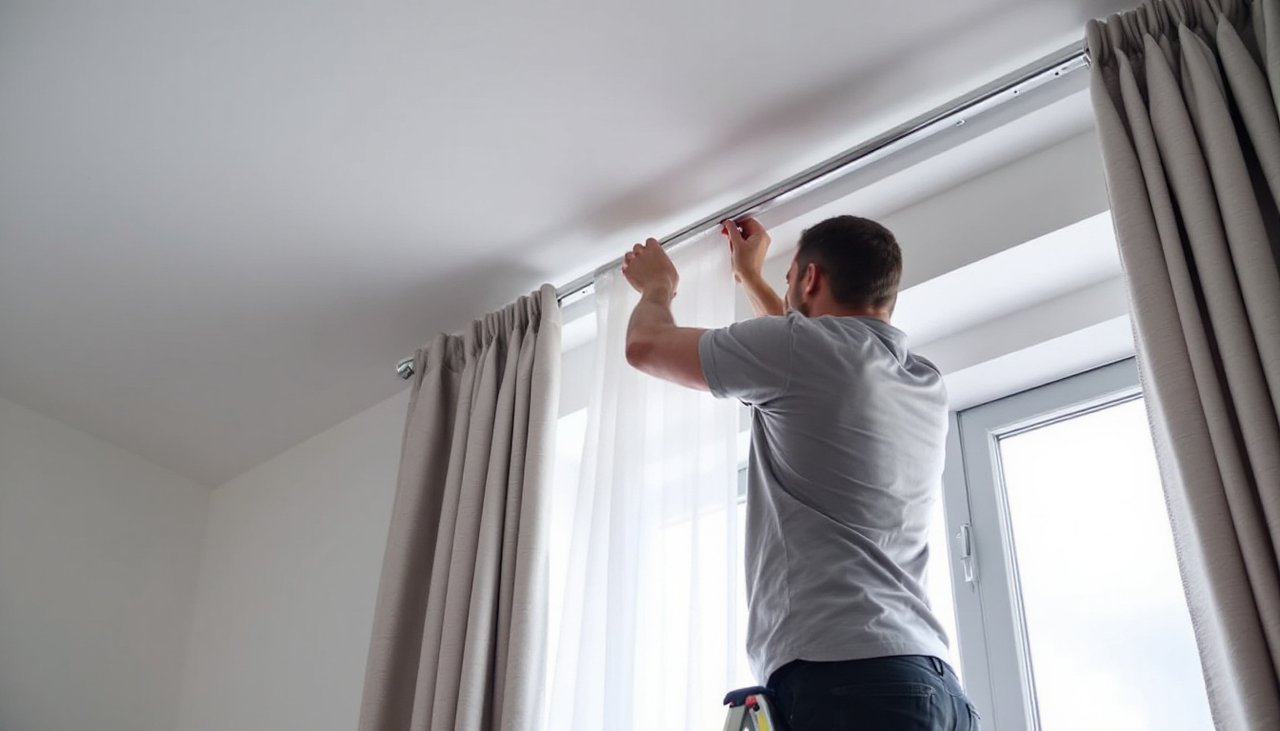
Track type. A standard hand drawn track is the simplest. An S fold track uses dedicated carriers and costs more, but it gives that clean, uniform wave. A cord drawn track sits in between and suits wide windows where you would rather not handle the fabric.
Double tracks for layering. Sheers filter light rather than block it. For night time privacy and darkness, the sensible partner is a blockout curtain or blockout blind behind them, which means a double track or a separate blind. A sunscreen blind, like a sheer, only filters light and does not block it, so a sheer and sunscreen blind pairing is not one we recommend for bedrooms.
Motorisation. A motor adds to the cost of the track, and battery or hardwired power changes it again. It is popular on wide sliding doors where a long sheer is awkward to draw by hand.
Installation. Installation is a separate line on your quote. Ceiling fixing, plasterboard without a timber batten behind it, or high windows can add time.
One safety note that affects cord drawn tracks: in Australian homes, corded window coverings must be installed to the national Corded Internal Window Coverings Safety Standard, which is why a cord guide or tensioner is fixed in place during installation.
Linen Curtains or Linen Sheers? Clearing Up Similar Searches
A few searches sound alike but lead to different products, and mixing them up can throw your budget.
- Linen curtains vs linen sheer curtains. Linen curtains are a heavier, often lined drape that blocks more light. Linen sheers filter light and keep the view. Many homes use both, sheer in front and curtain behind.
- White sheer curtains vs voile. Most people searching white sheer curtains end up looking at voile, because it gives the brightest, crispest white. A white linen look sheer reads softer and more matte.
- Voile vs organza. Organza is stiffer and shinier. Voile drapes softly. For a relaxed Australian living room, voile or linen sheers are the more common choice.
- Blockout vs blackout. In Australia these mean the same thing. Blockout is simply the local spelling.
If your real worry is what neighbours can see once the lights are on, that is a separate question from fabric cost. We cover it in detail in are sheer curtains see through at night.
5 Year Cost of Ownership
The day you hang sheers is not the end of the cost story. Care, sun exposure and how the fabric ages all count, especially on north and west facing glass in Brisbane and the Gold Coast, where sheers take strong sun for much of the year.

| Ownership factor | White voile | Linen look sheer | Linen blend sheer |
|---|---|---|---|
| Washing | Gentle machine wash on most fabrics | Gentle machine wash on most fabrics | Check the label; some blends prefer dry cleaning |
| After washing | Rehang damp, drops straight | Rehang damp, drops straight | May need a light steam to relax creases |
| Strong sun exposure | Holds colour well | Holds colour well | Natural fibre can fade or weaken faster |
| Hem length over time | Stable | Stable | Can shift slightly with humidity |
For a sun drenched west facing window, a linen look polyester often gives the most value over five years. It keeps the linen texture while handling sun and washing more like a voile. Natural linen blends are lovely, but they suit rooms where you are happy with a slightly relaxed, lived in drape.
Every sheer we make is sewn in our own workshop to your measurements.
Which Sheer Fits Your Budget and Room
Here is the quick version, based on the questions we hear across our 19 showrooms.
Choose white voile if you want the brightest, crispest white, your budget is tight on fabric, and you are happy to put the spend into 2.5x fullness so it looks full.
Choose a linen look sheer if you want texture and a relaxed feel with easy care, or the window takes strong afternoon sun. At 2x it often looks generous, which helps on wide glass.
Choose a linen blend if natural fibre matters to you and you like a softly creased, organic drape. Expect a higher fabric cost and a little more care.
Whichever you pick, put your fullness budget on the windows you see most, and pair the sheer with a blockout layer in bedrooms.
Linen Sheer Curtains vs Voile FAQs
Are linen sheer curtains more expensive than voile?
The fabric usually is. A linen look sheer sits in the mid tier and a natural linen blend in the higher tier. Because linen sheers often look full at 2x while voile is usually made at 2.5x, the total difference on a quote can be smaller than the fabric tier suggests.
What fullness should I choose for sheer curtains?
Most sheers are made at 2 to 2.5 times the track length. Light voiles look fullest at 2.5x, while textured linen sheers often look full at 2x. On wide windows, the choice between the two changes fabric quantity by 25 percent.
Do linen sheers give more privacy than voile during the day?
A textured linen sheer usually blurs the view a little more than a fine voile in daylight. Neither gives full privacy at night with lights on inside, so pair them with a blockout layer for bedrooms.
Can sheer curtains be motorised?
Yes. S fold sheers on a motorised track are popular for wide sliding doors. The motor and power option add to the track cost.
Book a free in-home measure and quote, look through sheer samples, and get a clear picture of where your budget goes before you commit. Book your free measure and quote.